
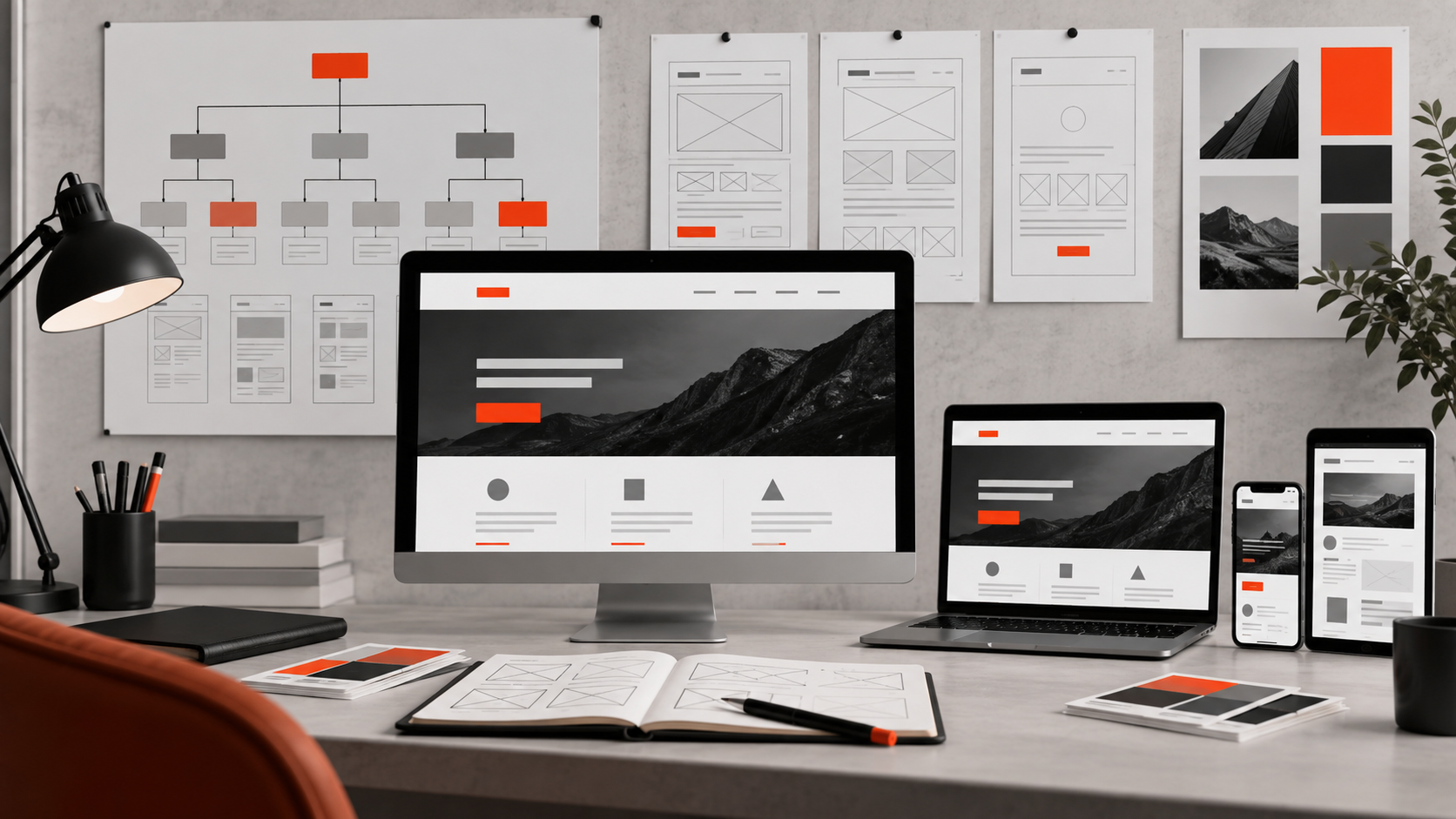
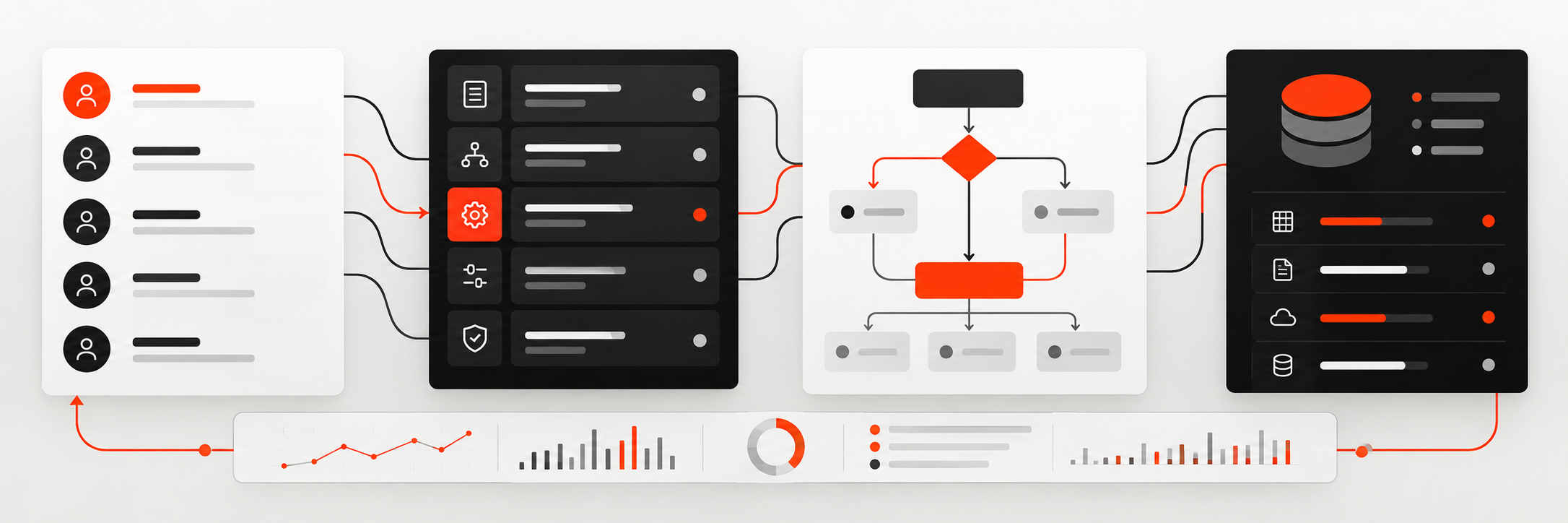
UI/UX design that makes the next step clear to users and developers.

We design journeys, prototypes and interfaces for websites, accounts, platforms and apps. We test the logic before development and deliver a complete system of layouts and states.

Journeys · Prototypes · UI · Design system · Development preparation

What design changes

A good interface removes questions before the user helps them take it.

The user does not understand where to start

We designA clear first action and sequence of next steps.

You getThe clearer the product, the more trust it earns: people do not look for clues or wonder whether they are in the right place.

Design is created without a connection to the business challenge

We designA strategy: the target action, priority journeys and criteria used to evaluate the result.

You getEvery interface decision can be explained by a business task, not by taste or fashion.

The structure grew organically

We designArchitecture: sections, links between them, navigation and product-growth logic.

You getA new section or feature can be added without rebuilding the entire product.

A complex process is distributed across screens

We designOne clear scenario with visible progress and an outcome.

You getWhen the path from start to result is visible, more people reach the end, not only the most patient.

The user makes a mistake while filling it in

We designHints, constraints, validation and clear error messages.

You getCorrect data the first time means fewer phone clarifications and fewer paid hours spent on fixes.

Developers clarify every state

We designA full set of component states, rules and behavior.

You getDevelopment spends the budget on the product, not reworking what the design failed to describe.

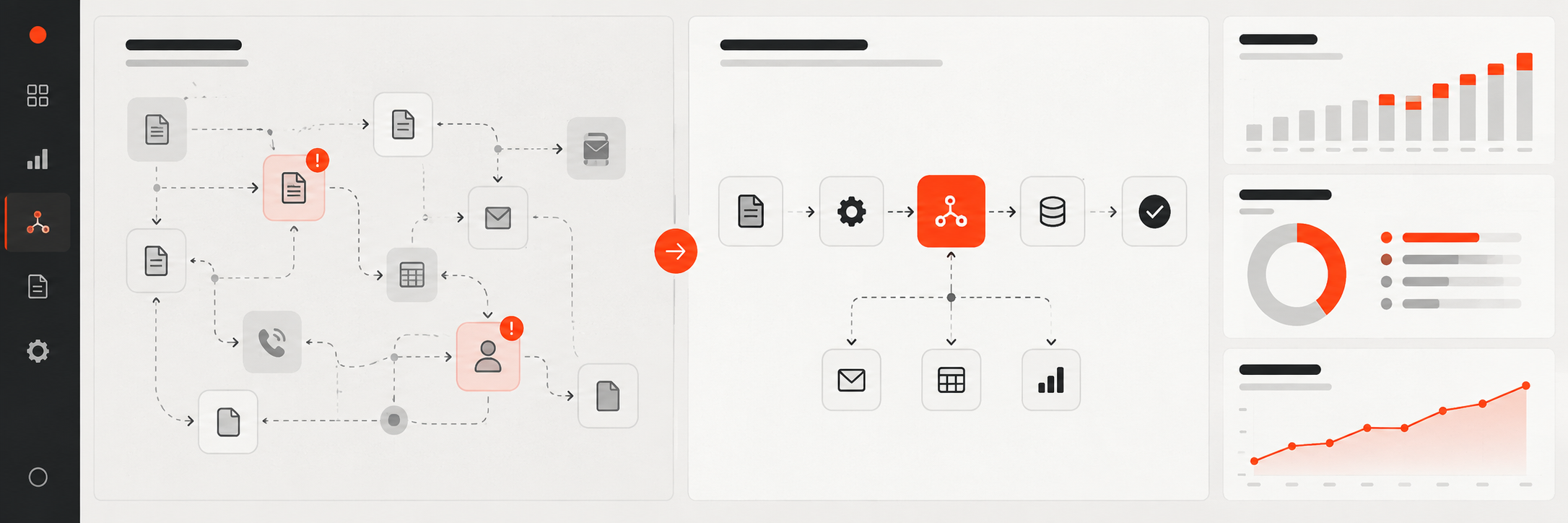
Screens before and after design: journey, states and components

Scope work

From the first scenario to a finished interface.

01 · BUSINESS NEEDS

We start with what the product must give the company, not with how it should look.

  • We analyze the business model and how the company works
  • we document the target action and its business cost
  • We clarify constraints: processes, team and systems
  • We agree on design success criteria
  • We define what is included in the first version

ResultDesign solves a business challenge; it does not draw screens “to look modern”.

Artefact: target action and success criteria

Design that can be implemented

A beautiful layout does not help the business if the user is lost and developers are forced to guess the logic.

  • We design the entire scenario

    • first entry
    • empty state
    • download
    • error
    • constraints
    • successful action
    • returns to scenario

    ValueThe product does not fall apart in situations absent from the presentation mock-up.

  • We explain decisions

    • which challenge the element serves
    • how it should behave
    • when the state changes
    • which rules affect on result

    ValueThe team approves design faster and returns less often to decisions already made.

  • we verify feasibility

    • data
    • business-rules
    • technical constraints
    • responsiveness
    • components
    • future growth

    ValueDevelopment receives a design it can implement, not merely demonstrate.

We hand over not a set of screens, but We hand over the agreed interface logic.

Process

We move from challenges to finished layouts in short agreed stages.

  1. 01We analyse the challengeProduct, users, scenarios and constraints. You receive a work plan and design boundaries.
  2. 02We design structureNavigation, journeys and links between screens. Logic without the cost of designing the wrong decisions.
  3. 03Create prototypeKey screens, transitions and behavior. The ability to test the scenario before final UI.
  4. 04We develop the UIVisual concept, components and responsive mockups within the agreed direction.
  5. 05We prepare for developmentStates, components and behavior notes. The team starts implementation without constant clarification.
  6. 06We support implementationWe review finished screens and answer questions. The result reflects the agreed design.

We show intermediate decisions. The client does not see the entire design for the first time on the day of the final presentation.

Deliverables

Not simply a Figma file. Full package for approval and development.

Map of sections, navigation and links between interface parts.

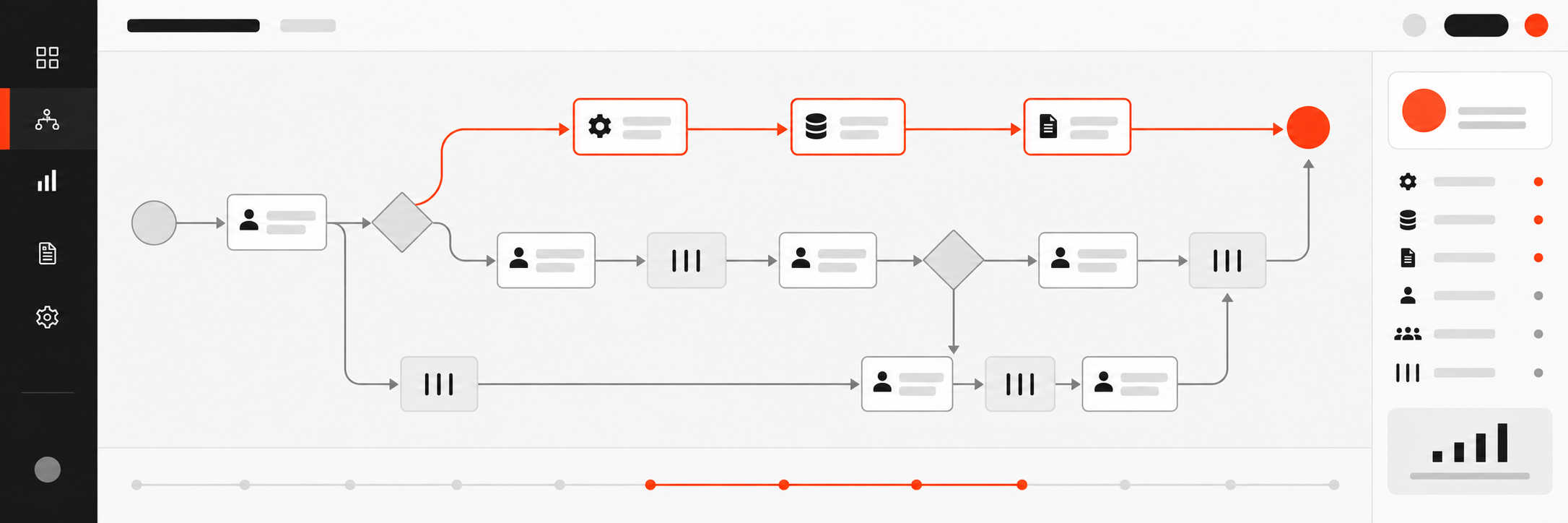
Main journeys, choice points, transitions and outcomes.

A version on which the logic can be tested before final design.

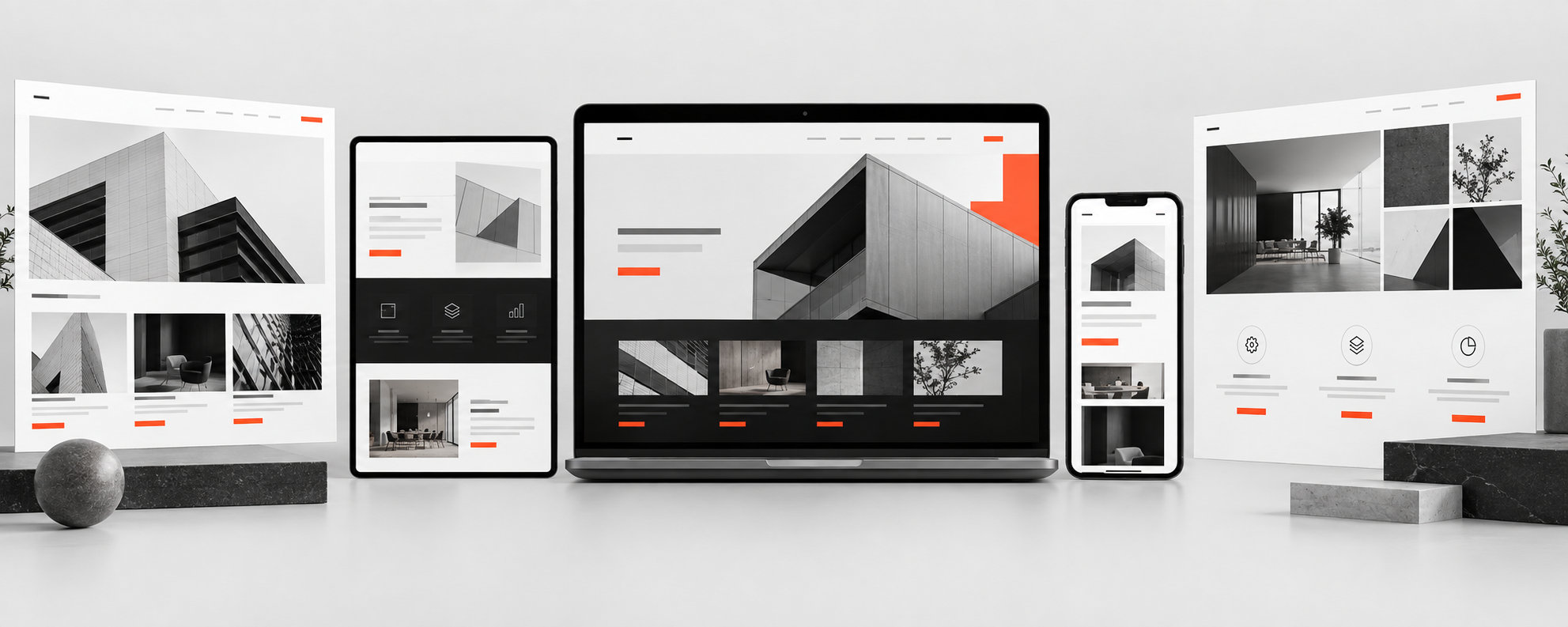
Agreed screens for desktop, tablet and mobile according to the challenge.

Empty states, errors, loading, constraints, successful actions and system messages.

Buttons, fields, tables, navigation, modals and other repeated elements.

Explanations of transitions, conditions, validation and system responses.

A structured Figma file, components, naming, specifications and handover to the team.

Answers to questions, testing implemented screens and refinement within the agreed design.

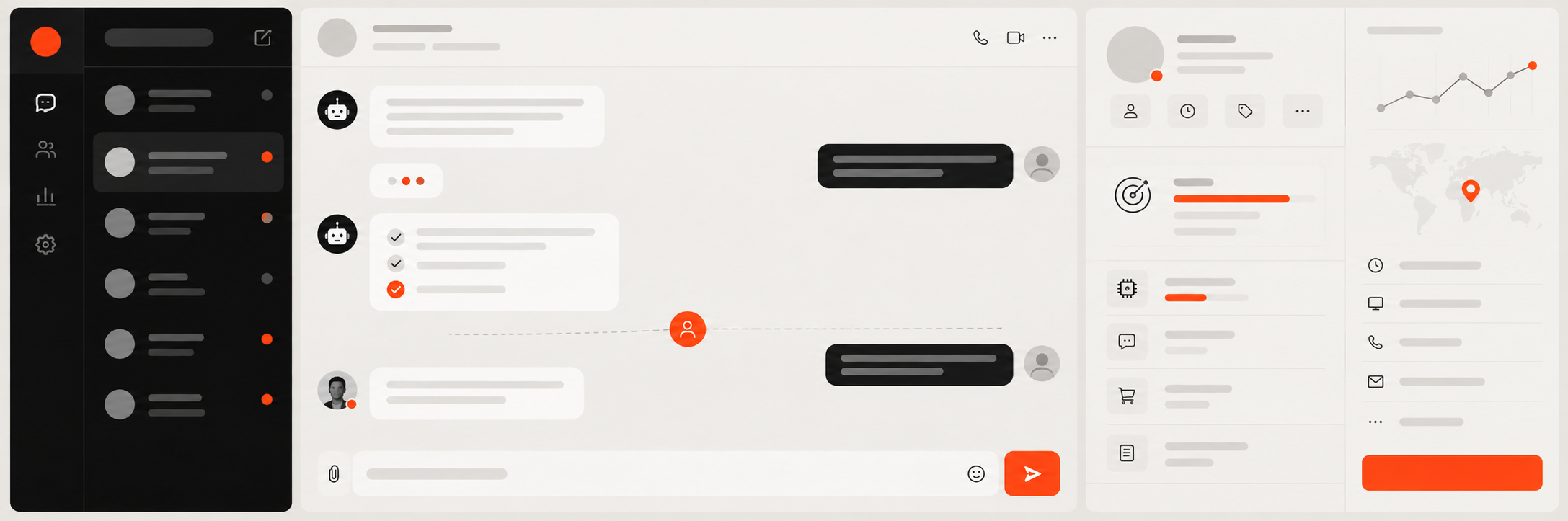
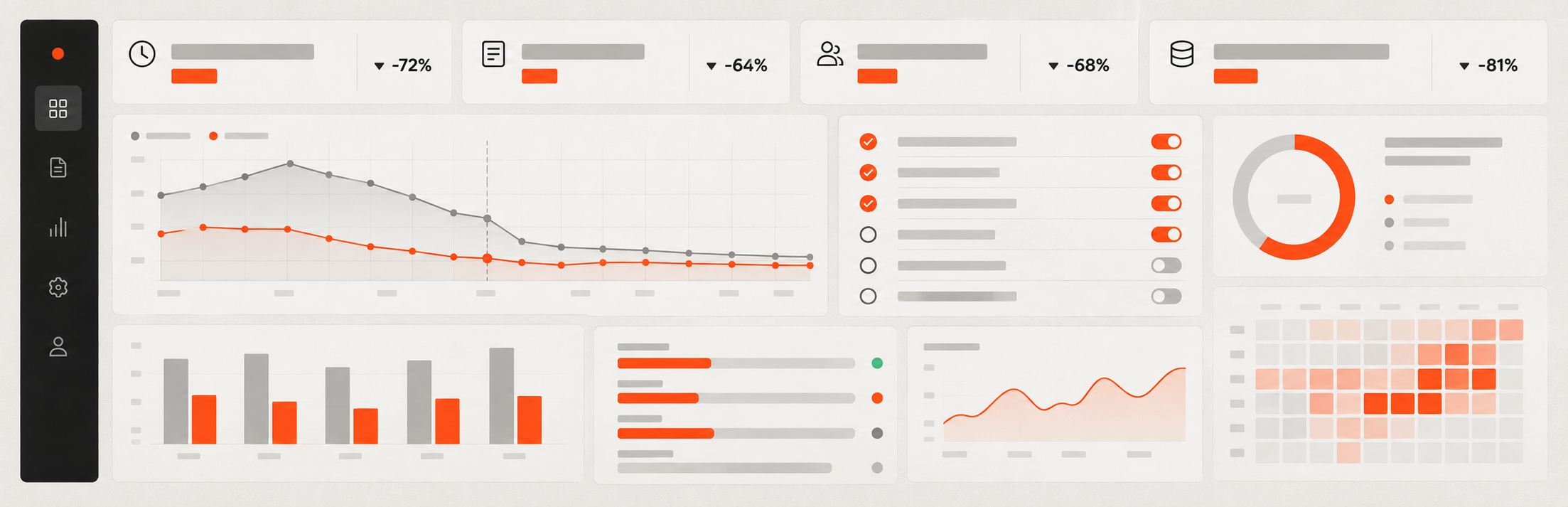
Example set: screen, its states and components

The development team sees not only how the product looks, but also how it must work.

work

several projects where design was handed over to development together with the logic.

Format and cost

Cost design depends from product, scenarios and complexity level.

We assess not the number of drawn screens but the scope of decisions that must be worked through before handover to development.

01 · Corporate website design4–6 weeks

from $5 000

Suitable for

  • Corporate websites
  • Service websites
  • Representative websites
  • Complex multi-page websites
  • Redesign existing website

Includes

  • Analysis challenges and audience
  • Structure website
  • User flows
  • Key-page prototyping
  • Visual concept
  • Design of the main pages
  • Responsive versions
  • Form states and interactive elements
  • Core component set
  • Development preparation

ResultA structured corporate website that presents the company clearly, leads users to the needed actions and is ready for implementation without constant clarification.

Discuss design website

The final cost depends on the number of page types, language versions, content and interactive journeys.

02 · UI/UX-design eCommerce6–8 weeks

from $8 000

Suitable for

  • Online stores
  • Redesign eCommerce
  • Catalogues with a large assortment
  • Stores with complex filtering
  • Projects with multiple purchase journeys

Includes

  • User-journey analysis
  • Structure catalogue
  • Navigation and search
  • Listing
  • Product card
  • Cart
  • Checkout
  • Account area
  • Key states
  • Responsive design
  • eCommerce component set
  • Development preparation

ResultA complete journey from finding the product to the final order, with no gaps between pages, states and the mobile version.

Discuss design store

Cost depends on catalogue structure, product types, filtering logic, checkout, account area and the number of integrations and states.

03 · Digital product UI/UX designfrom 8 weeks

from $12 000

Suitable for

  • SaaS
  • B2B-platforms
  • Marketplaces
  • internal systems
  • CRM
  • Client portals
  • Mobile and web applications

Includes

  • Product context
  • roles users
  • Information architecture
  • Key user journeys
  • Interactive prototype
  • UI concept
  • Primary and alternative states
  • Desktop and mobile
  • Components
  • A design system of the required scope
  • Development preparation
  • Implementation support

ResultAn agreed logic for a complex product, a complete set of key states and an interface system that can be implemented and developed.

Discuss design product

For complex B2B, enterprise, SaaS and marketplace projects, the typical budget starts at $15,000 after roles, journeys and the first-version scope are defined.

What affects on cost

  • Number of unique page types
  • Number of roles
  • Number of user scenarios
  • complexity business-rules
  • Desktop, tablet and mobile
  • Number of states
  • Need for research
  • Availability of existing structure and content
  • Scope design-systems
  • Implementation support involvement

After the first conversation we will propose a sufficient work format. If the challenge does not require full UX research, a large prototype or a separate design system, we will not include them in the estimate.

{{prices require approval by the Sheker.Agency owner before publication}}

Discuss design

Show challenge, we will define, what UI/UX scope is actually needed.

In the first conversation we will discuss the product, users, key journeys and the state of the materials. We will say whether to start with research, a prototype or an audit, or move straight to UI.

If the task is already sufficiently developed, we will not sell you an unnecessary stage.


    We will send confirmation and a meeting link. No presentations – straight to your numbers.

    The first conversation is about the challenge, scope and result — without an hour-long presentation or selling unnecessary work.

    INFO@SHEKER.AGENCY+38 097 789 84 09
    +38 098 698 94 77
    Viber · Telegram · WhatsApp