
Situation 01
Online store
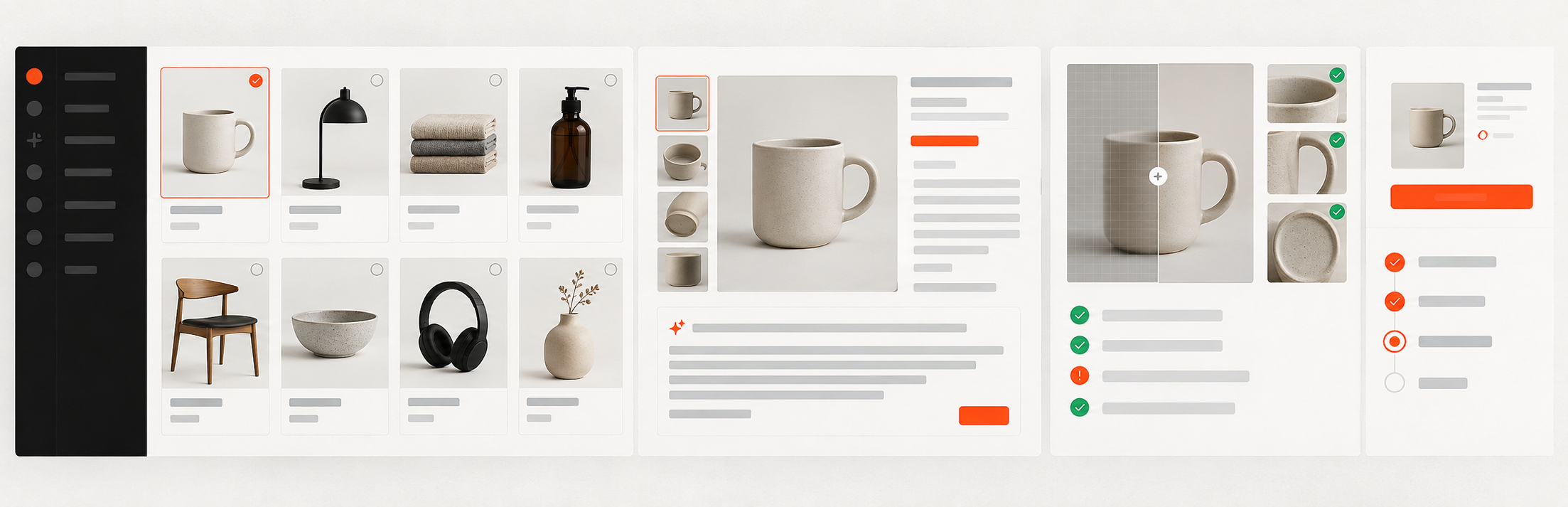
There is traffic but few orders. Advertising consumes margin, carts are abandoned and contractors explain the problem only within their part of the work.
We verify the entire decision chain: from first contact to enquiry, purchase, key actions or return. For each problem, we determine impact, evidence and how to close it. If data is sufficient, we calculate the loss or a range.
04 · TrustAn example of a loss point: the user understood the offer and chose an option, but did not receive answers about terms, risk and consequences.
For whom
Situation 01
There is traffic but few orders. Advertising consumes margin, carts are abandoned and contractors explain the problem only within their part of the work.
Situation 02
The system works, but the business works around it: part of the process remains in spreadsheets and correspondence, while users perform key actions through a manager.
Situation 03
There are registrations, but users do not reach the first value, build habits or return to the key action.
Symptoms differ. An audit identifies the stage where the user’s decision breaks and which cause lies behind the visible metric.
Method
Users do not experience SEO, design and development separately. They follow one journey. Losses often arise at transitions: advertising promises one thing, the page explains another, the interface asks for a third and the next stage fails to confirm expectations.
01 · Store
Advertising promises one thing, the catalogue explains another, the product card leaves doubts and checkout asks for a decision the user is not ready to make.

02 · A platform
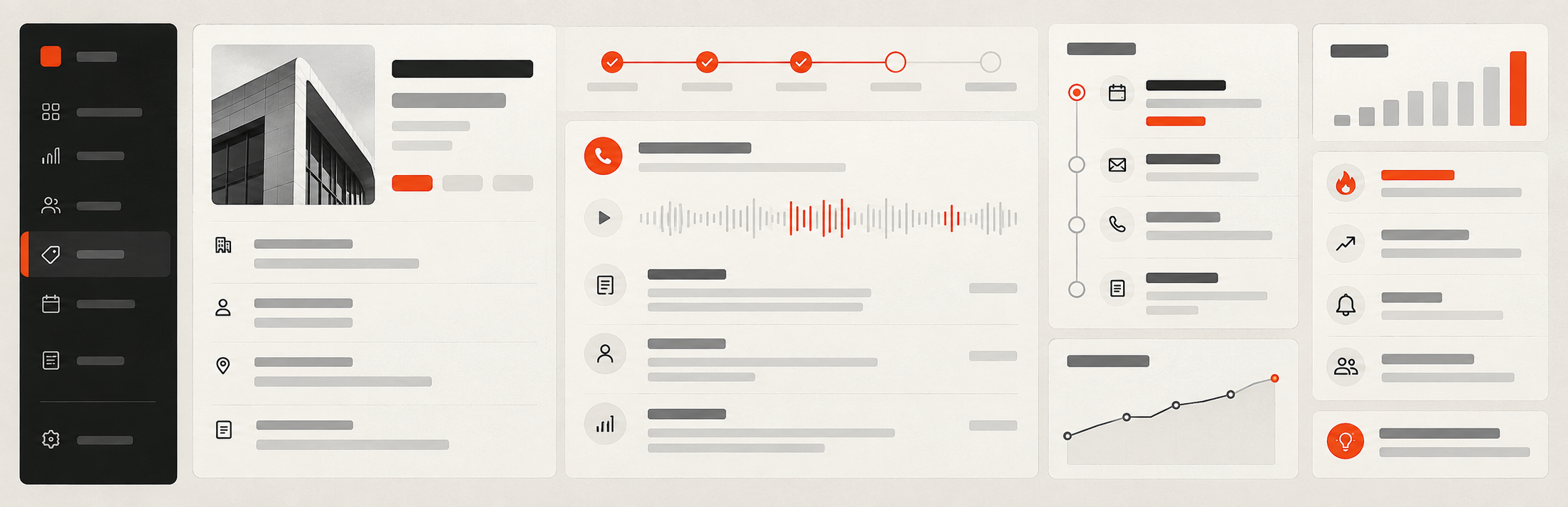
A role does not see what it needs, approval adds a step without a reason and part of the work returns to spreadsheets and correspondence.
03 · App
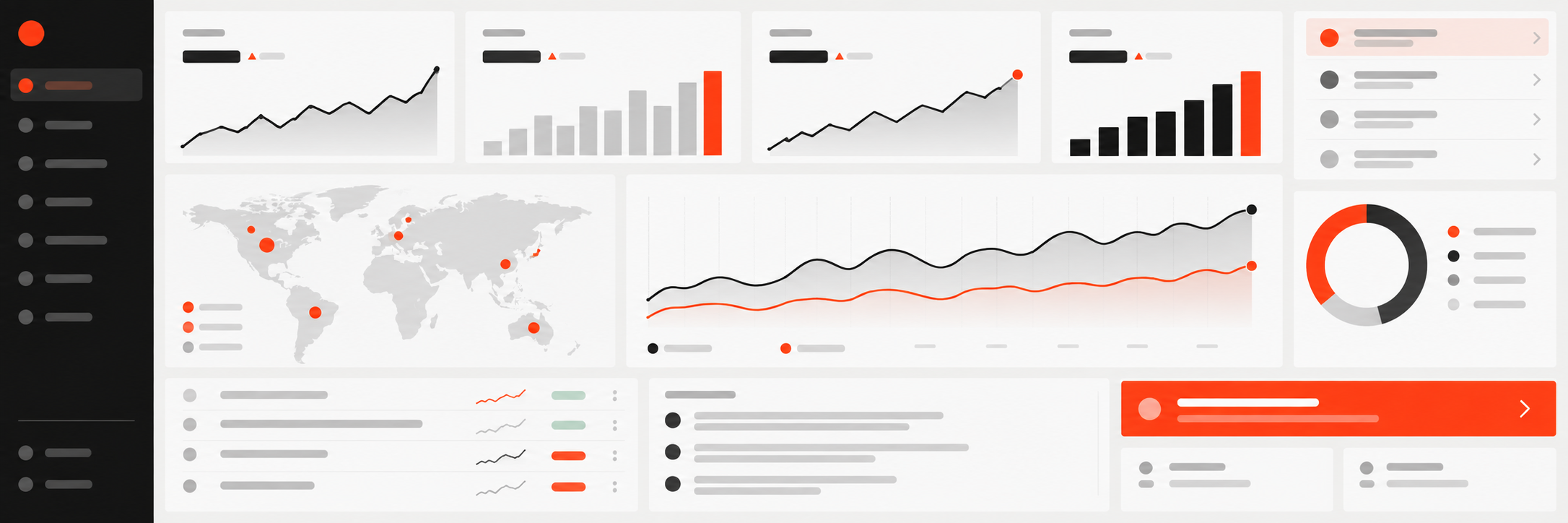
A user installs the app but does not reach the first value or have a reason to open it again.
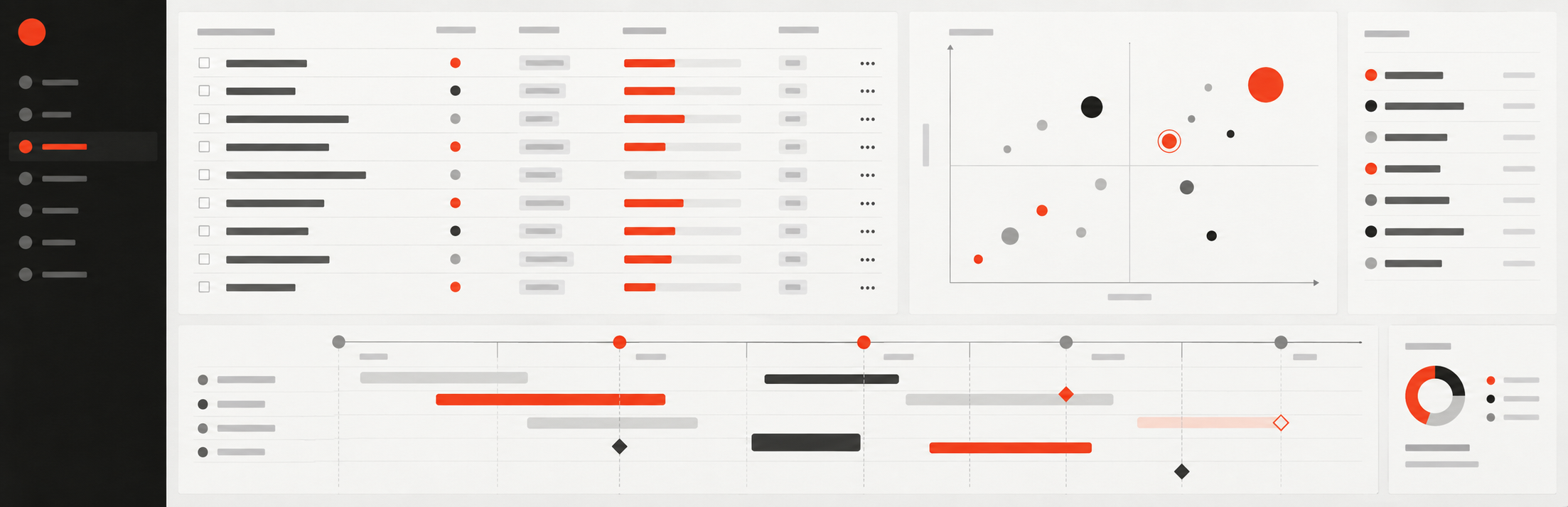
We start by restoring the expected decision model: the user’s challenge, required information, what they compare, why they hesitate and under what conditions they are ready to act. We build the model from business context, available data, product materials and behavioural patterns, then compare it with the actual journey.
Expected model vs actual journey
We mark hypotheses and specify which research or measurement will test them.
Hypothesis instead of assumptions
We verify speed, mobile version, SEO visibility and analytics accuracy as the conditions under which the chain works and data can be trusted.
Conditions under which data can be trusted
We do not assess procurement prices, assortment, inventory or offline processes. We are responsible for the online part and its interaction points with the user.
Online area and its connections
You can calculate it yourself. The audit defines exactly what to measure.
With us or not
A list of comments across dozens of pages
3–5 main points of loss on the first page
“Poor usability” without consequences
Impact on money, time or behaviour
One checklist for the entire website
The decision model of a specific user
Recommendations «improve»
A concrete resolution procedure
All problems appear equally important
Priority by impact, evidence and cost
Audit sells next service
separate section «Do it yourself»
The author disappears after the report
Review findings with Natalia Sheker
Confirmed by data
The problem is visible in analytics, session recordings, enquiries or other sources.
Confirmed by the journey
The problem is reproduced in the interface logic and user journey.
Requires testing
An expert hypothesis that requires additional data or UX research.
Result
3–5 main points of loss, their impact and a recommended decision.
Problem → decision stage → evidence → impact → recommendation → approval status.
What to fix now, what to test further and what is not worth changing.
Changes the internal team can implement without a separate contractor.
Structure of one finding
Every finding is described consistently, so the plan can be handed to any team without additional explanation
First meeting
ResultA preliminary assessment of the situation, a list of questions and a recommended testing format.
Artefact · Summary meeting
Access and data
Resultlist access and boundaries auditin documented in writing.
Artefact · agreement on access and boundaries
Journey analysis
ResultFindings with evidence, not a list of interface impressions.
Artefact · table findings with statuses
Report and plan
ResultPriority plan: what to fix now, what to test and what not to touch.
Artefact · report and plan changes
Review
ResultTeam equally understands reasons and next actions.
Artefact · next-step protocol
If major changes are not needed, the report will say so. Low-cost fixes will be prioritised by value. You pay for diagnosis, not preparation for the next check..
Cost
We set the exact cost and timeline after the first meeting and scope definition.
Basic format{{NUMBER}} working days
from $2 500
One product, one primary role and one key decision journey.
Timeline: {{NUMBER}} working days after approved access is received. The report remains yours in any case.
Book a meetingScope expansionBy agreement
Custom scope
When there is more than one journey, role or market.
Each item expands the testing scope; we estimate it before launch, not by hours worked.
Assess the scopeWhat is included in the basic price
One product, one main role and one key decision journey: from first contact to enquiry, purchase or key action. Additional roles, journeys, markets, languages and data sources increase scope and cost.
Next step
(01) You implement it yourself
(02) We address findings selectively
(03) We begin systematic change
Report self-contained. Further work with Sheker.Agency is an option, not a condition.
Questions
Yes. The method is the same: we verify the user decision journey. For platforms this means entry, role and permissions, key action, approval and daily work; for apps — installation, first value, key action, return and habit.
No. Read-only access is enough: analytics, advertising accounts and the admin panel. We document the list of accesses and audit boundaries before work starts.
{{NUMBER}} working days after receiving approved access. We confirm the exact timeframe after the first meeting and defining the scope.
The audit checks user decisions, data and interface, not a specific technology stack. We treat technical aspects as conditions in which the journey works: speed, mobile version, SEO visibility and accurate analytics.
A free check usually gives a checklist of comments. Here each finding has a journey stage, evidence, impact, recommendation and priority — plus changes your team can make without a contractor.
The report will say so. If major changes are not needed, we will not propose them. The plan will contain only low-cost fixes and testing.
Natalia Sheker leads the core work: the first meeting, decision model, priority conclusions and final review. The agency has worked since 2008.
Yes, in read-only mode. Without data, some findings remain at the “requires testing” level — we directly indicate which sources were missing.
Yes. The report is self-contained: it can be handed to the internal team or another contractor, implemented with us or used for decisions without changing anything.
An audit checks the existing interface, journeys and available data. UX research involves users when the reason for behaviour cannot be determined reliably without interviews, observation or testing.
Start
In the first 30-minute meeting with Natalia Sheker, we discuss the challenge, available data and main journey. After the conversation you receive a preliminary assessment, a list of questions and a recommended testing format.
Even if an audit is not needed, the meeting summary remains yours.