
I – Questions
We formulate research questions.
We define, which reason needed understand which decisions depends from answers.
ResultResearch is tied to decisions, not a method.
We study real user behaviour, context and alternatives. We turn findings into priority decisions for the product, design and CRO.
We do not ask which feature to add. We verify why the existing journey does not work.
When research is needed (5)
The team changes the interface although the cause may be in value, terms, trust or the journey itself.
We change what breaks decisions, not what is merely visible
The business pays for manual help but does not understand what the product failed to explain or enable.
Manual work instead of a product decision
The roadmap is built from individual user requests rather than recurring reasons in their behaviour.
Development of wishes, not reasons
The team may change the interface while leaving the user’s problem untouched.
A new look with the old problem
A metric answers “where” but does not show which decision needs to change.
«Where» without «why» not gives decisions
If the cause is already confirmed by data, new research is not needed. If the team only guesses the cause, it is too early to build a solution.
What exactly we investigate
01 · What is the user trying to do?
Not an audience description, but a real task and expected result.
What this givesResearch questions are tied to a specific challenge, not to a “user portrait”.
02 · How do they solve it now?
Alternative products, manual methods, spreadsheets, people or abandoned actions.
What this givesIt shows what the product truly competes with and why the user remains with the old approach.
03 · Where does their decision change?
The moment of doubt, mistakes, comparison, expectations or loss of trust.
What this giveswe know not only where the user stops, but exactly what changes their decision.
04 · Why do they choose a workaround?
Which part of the product is not responsible in the user’s context, rules or habitual behavior model.
What this givesThe cause is separated from the symptom: it is clear whether to fix the product, not the screen.
05 · What needs to change?
Value, information, sequence, rules, the interface or the way services are delivered.
What this givesThe solution is formulated so it can be assessed, designed and tested.
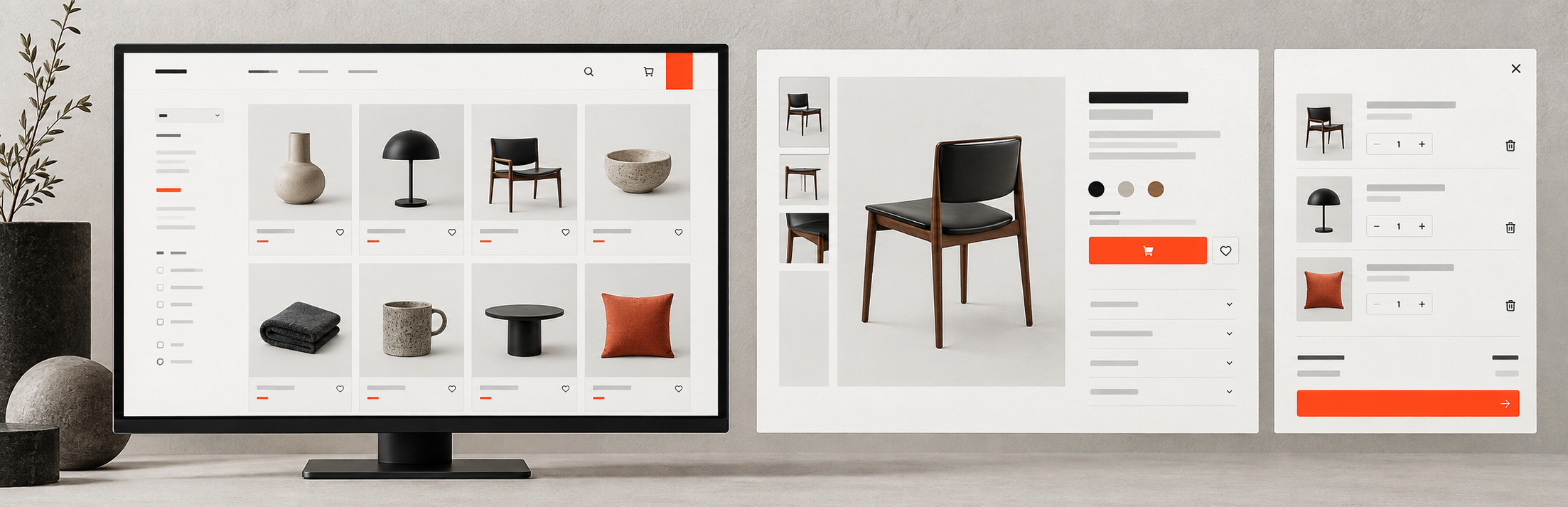
The answer may lead to a new interface. It may also change the journey, rules, communication or the product decision itself.
From research to decisions
What this changeswe document actions, not declarations of what users intend.
What this changesIt is clear what the behaviour costs the business and which metrics the team can see.
What this changesThe cause is tied to specific product decisions, not to “poor UX”.
What this changesThe recommendation is immediately assessed for implementation cost and opportunity.
Who interprets the resultNatalia Sheker personally formulates the research questions, tests alternative causes and turns findings into product decisions. Key interpretation is not delegated to a junior researcher.
We do not hand the team a list of interfaces. We show which decisions they change, what needs testing and where it is not worth investing the budget..
Process
I – Questions
We define, which reason needed understand which decisions depends from answers.
ResultResearch is tied to decisions, not a method.
II – Data
Analytics, support requests, previous research and the team’s materials.
ResultYou do not pay to research what is already known.
III – Method
Interviews, observation, scenario testing, behaviour analysis or a combination.
ResultThe scope is responsible for the cost of mistakes, not the price of interviews.
IV – Causes
We compare words, behaviour, context and available data. We verify alternative explanations.
ResultWe separate cause from coincidence and user preference.
V – Handover
we document reasons, priorities, riskand changes for product.
ResultThe team can work with the result without another interpretation stage.
VI – boundary
ResultWe do not conduct more interviews or tests than decisions require. If the answer is already in available data, we start there.
Result work
What was checked and which product decisions depended on it.
The conditions in which the task arises and which constraints affect behaviour.
How the user solves the challenge without the product or with competing solutions.
Why the user starts, abandons the task, makes mistakes or chooses a workaround.
Which problems recur, how critical they are and which journeys they affect.
What needs to change in value, journeys, rules, information or the interface.
What to change now, what to test further and what requires no action.
What remains unconfirmed and how the test result changes the decision.
Findings, journeys and recommendations for product, design, CRO and development.
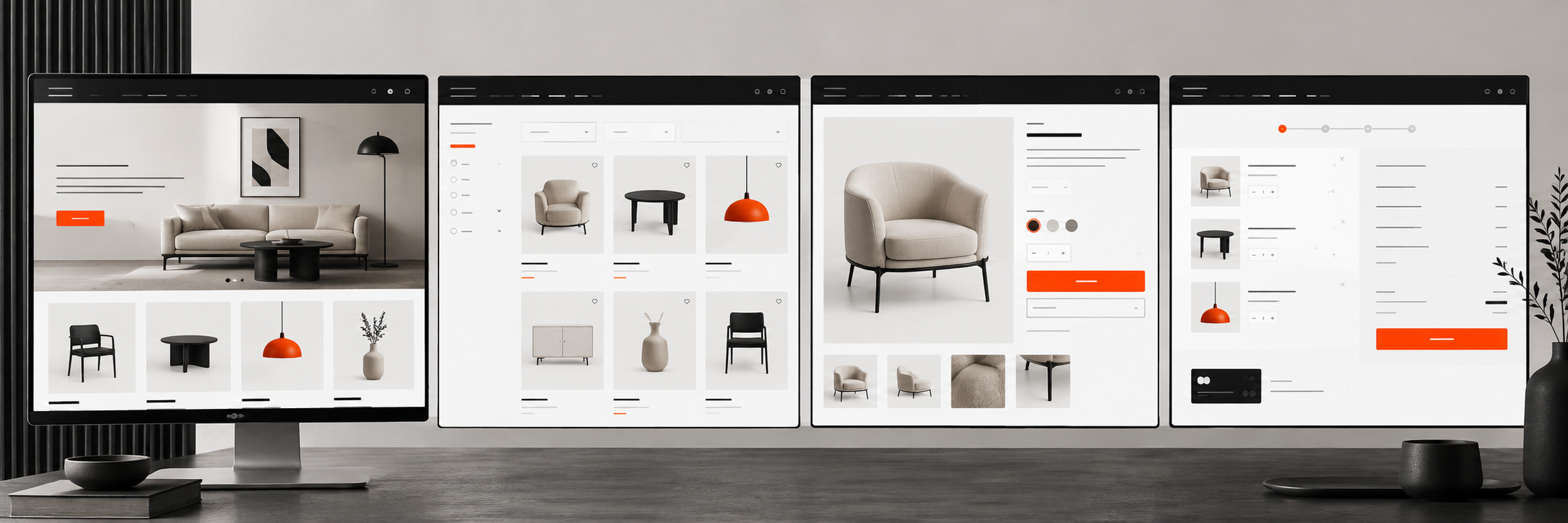
The result can be given to the internal team or another contractor. Further work with Sheker.Agency is not required to use the materials.
Format and cost
01 · Focused research{{price requires approval}}
Price on request
Suitable for
Includes
ResultThe cause of the problem, priority decisions and next step.
Discuss research02 · UX-research product3–5 weeks
from $5 000
Suitable for
Includes
ResultEvidence-based product decisions instead of assumptions about the user.
Discuss a project03 · Ongoing research support{{requires approval}}
price for month
Suitable for
Includes
ResultResearch becomes part of product work, not a separate project before a redesign.
Discuss support{{prices require approval by the Sheker.Agency owner before publication}}
Discuss research
In the first conversation we discuss the product, users, available data and the decisions that need to be made. We will say whether interviews, testing, journey analysis are needed or the answer is already in the team’s materials.
If research does not change a decision, we will not sell it as a mandatory stage.
The first conversation is with an expert who will shape the research questions and be responsible for interpreting the result.
INFO@SHEKER.AGENCY+38 097 789 84 09
+38 098 698 94 77
Viber · Telegram · WhatsApp