
A marketplace that earns from the first transaction.

We define the first segment, value for each party, rules and a completed transaction. This keeps the first version focused and avoids investing the budget in untested features.

Segment · Parties · Transaction · Rules · Monetisation · Repeat use

“We need a marketplace with a catalogue, portals and payments” Why will both parties complete the deal here and return a second time?

Problem

We can build a catalogue, accounts and payments, but not get a marketplace.

A seller will not stay without demand. A buyer will not return without a relevant offer. If the parties have no reason to complete the interaction inside the platform, every new feature increases cost without creating a market.

Therefore, we start not with a list of capabilities, but with the reasons for the first and repeat transaction.

What this changes for you

You understand which part of the product needs to be built now and what it is still too early to pay for.

The first-version budget depends on one scenario, not the number of roles and sections.

Features create a platform. The market is created by a reason to complete the transaction here.

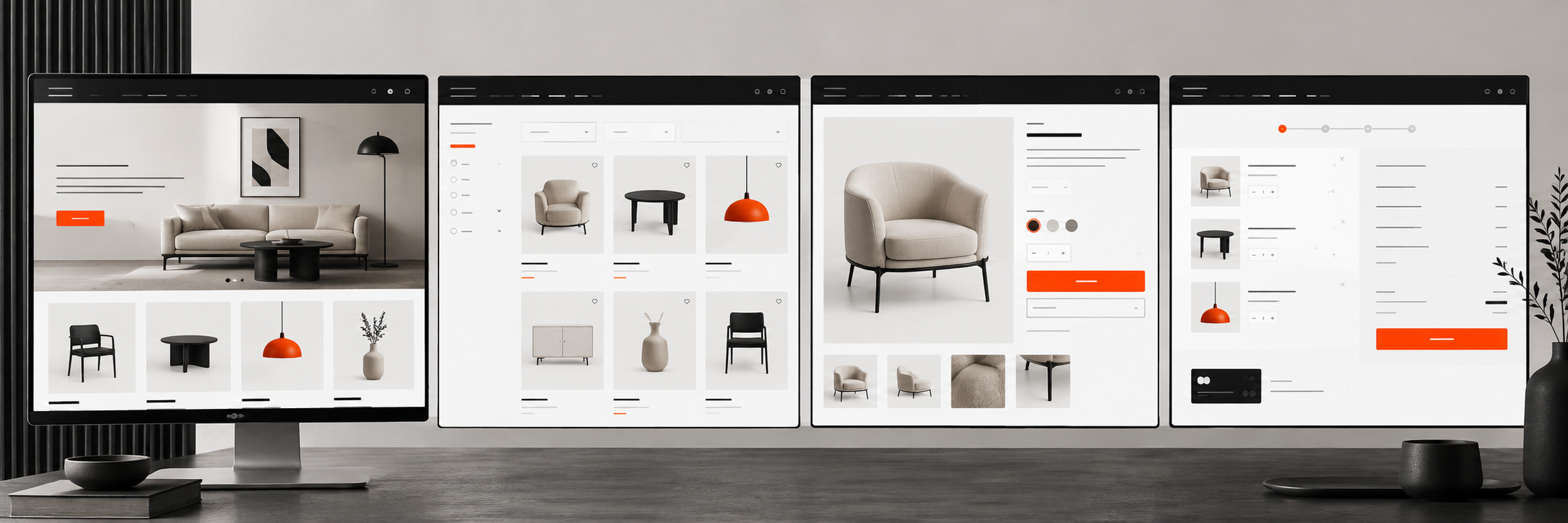
Marketplace page map, their value and transaction points

Strategic-stage artefact · parties · value · transaction

Model economics

The most expensive marketplace is not the one with the most features, but the one where after launch have to search for the business model again.

The budget was spent on the platform

Features appeared before the market need

  • we built the entire catalogue first
  • built portals for every role
  • connected complex integrations
  • automated untested processes
  • started looking for sellers and buyers after launch
  • discovered that the parties were not receiving enough value

Changing the model then required reworking the roles, rules, data and scenarios already built

The budget was invested in the model

Development began after testing the reasons

  • chose one initial segment
  • defined the first party
  • found the transaction core
  • fixed the rules and accountability
  • separated essential features from future ones
  • tested why the interaction should repeat

The first version costs less, launches faster and tests the main risk

architecture is needed not to complicate launch. It is needed so we do not pay to change the business model inside an already-built platform.

When our approach is needed

Five situations where a model error costs more than its implementation.

  1. 01

    It is unclear whom to attract first

    The marketing budget is spent on both sides at once, and neither receives enough value.

  2. 02

    Deals happen outside the platform

    A platform pays to acquire participants but receives no income from the connection it creates.

  3. 03

    Rules differ between categories

    Every exception is implemented separately, so the cost of each new category grows.

  4. 04

    The platform is responsible for payment, quality or disputes

    The amount of manual moderation and returns determines whether growth will be profitable.

  5. 05

    It is unclear what to include in the first version

    Development starts at maximum scope, while testing the model is postponed until after the budget is spent.

We are needed where an error in choosing the model will cost more than designing it.

Strategy and architecture

Every model decision has a price in the first-version budget.

We do not quote a timeline before the scope is clear. We show how six decisions determine development scope, acquisition cost and deal-servicing cost.

  1. 01SegmentWhere demand supply can be concentrated without scattering the marketing budget.
  2. 02Value for each partyWhy a seller and buyer are ready to change their usual behaviour.
  3. 03TransactionThe minimum working scenario that defines the first-version scope.
  4. 04RulesThe amount of manual work, risks and deal-servicing cost.
  5. 05MonetisationThe value for which the platform may earn revenue.
  6. 06Repeat useWill the business grow through retention rather than constantly acquiring new users?
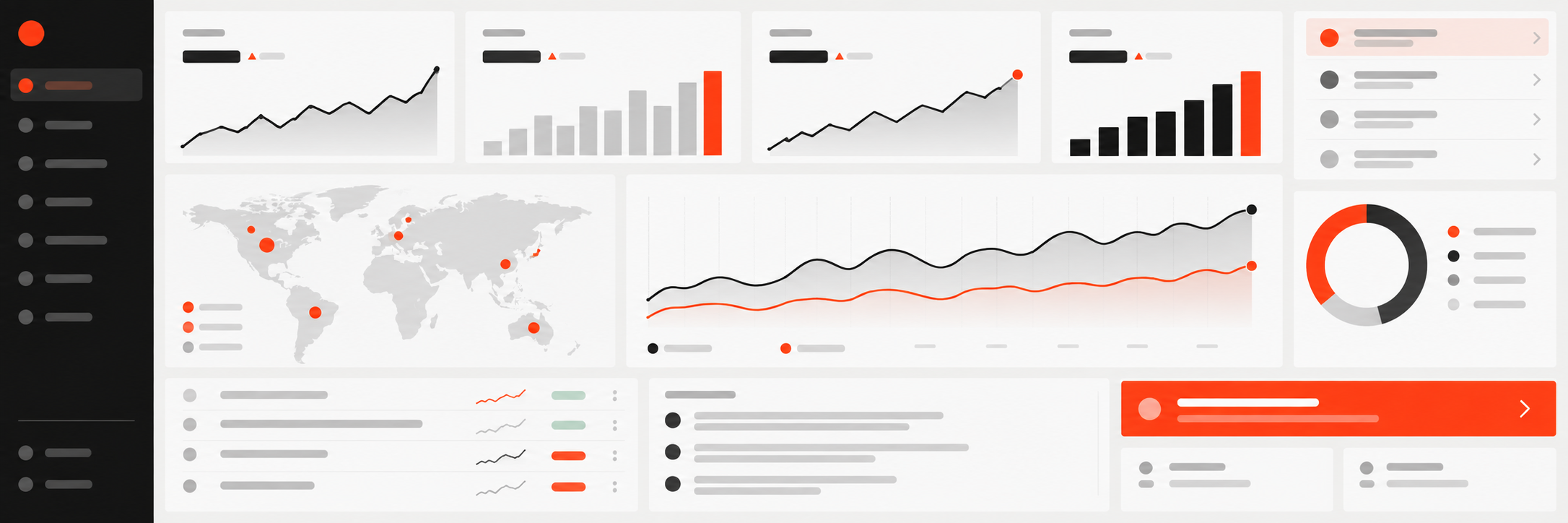
Marketplace model diagram: segment, transaction, rules and monetisation

Strategic-stage artefact · segment · transaction · monetisation

Strategy determines how the platform earns. Architecture how much it will cost to support and grow this model.

Method

We start by proving the interaction model. Then we invest in its development.

Nata Sheker is personally responsible for the product model, first-version boundaries and decisions that determine the economics of further development.

You discuss the product with the person who makes architectural decisions, not a manager who passes requests to the team: less context is lost, disputes are resolved faster and requirements do not pass through a chain of interpretations.

  1. 01

    We define the parties and value

    So we do not build portals for participants who have no reason to change their usual channel yet.

  2. 02

    We choose the first segment

    So we do not distribute the budget across categories where sufficient demand supply concentration is not yet possible.

  3. 03

    We design a completed transaction

    So the first version contains one working scenario through payment and confirmation, not half of a future platform.

  4. 04

    We fix the rules and accountability

    So we know in advance the scope of moderation, returns and disputes that determines deal-servicing cost.

  5. 05

    We define the minimum first-version scope

    So the development budget tests the model, rather than paying for features needed only in the future.

I – Model

Product model

Who pays, for what and why the interaction repeats.

II – Boundaries

Boundaries first version

What is included in the first budget and what is deferred until the model is validated.

III — Consequences

Consequences of decisions

How today’s decisions affect acquisition cost, servicing cost and growth.

Result first stage

After stage you know not only, that needed develop, and why it is worth paying for now.

The stage materials let you set the first-version budget, compare development proposals, avoid paying for secondary features and decide whether to continue or stop the project.

  1. 01

    Party and motivation model

    Who gets value, who pays and what makes them change their usual channel.

  2. 02

    Selected first segment

    Where to concentrate demand supply so marketing does not run at a loss.

  3. 03

    Completed transaction scenario

    The minimum path to a deal that defines first-version development scope.

  4. 04

    Rules and areas of responsibility

    Moderation, payments, returns, disputes and the amount of manual work they create.

  5. 05

    Monetisation model

    The value for which the platform earns revenue and when that becomes possible.

  6. 06

    Boundaries first version

    What is built now, what is deferred and what we leave out.

  7. 07

    List of key risks

    Which assumptions must be tested before estimating the full platform.

  8. 08

    Basis for estimating development

    Teams estimate the same agreed model, so proposals can be compared.

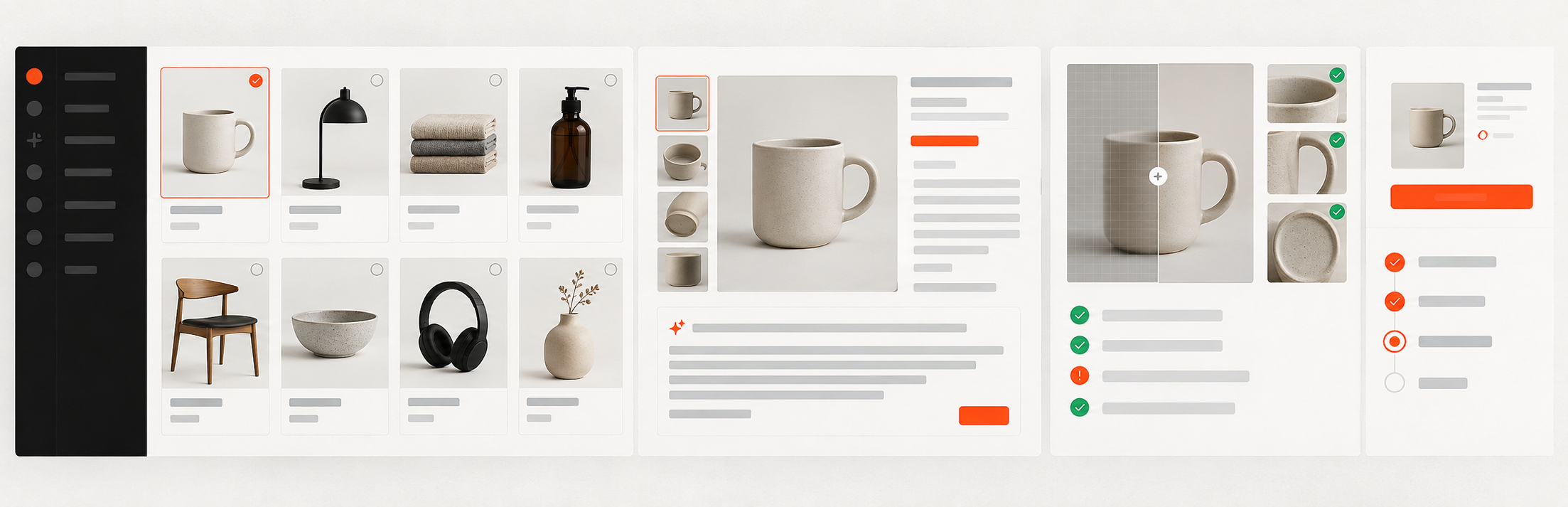
First-stage artefact: page model, transaction journey and first-version boundaries

Materials the client keeps after the first stage

The result does not bind you to further development with Sheker.Agency. You can implement it with us, hand the model to your internal team or pause the project to test new assumptions.

Enterprise-context

Existing infrastructure determines budget and timelines no less than the feature list.

I

Data quality

It determines catalogue complexity: the worse the structure, the more manual work each category requires.

II

ERP and CRM

They affect the boundaries of the new system: some logic remains where it already works.

III

Payment model

It determines the platform’s accountability for funds and therefore the requirements for rules and accounting.

IV

Moderation

It defines the scope of the operating team the business retains after launch.

V

Returns and disputes

They affect the cost of each transaction and the turnover at which the model becomes profitable.

VI

Manual processes

They can make growth unprofitable: every new deal adds work, not margin.

We account for more than development cost. We design the model, that the business can support after launch.

After launch

The next budget goes to changes confirmed by the behaviour of the parties, not assumptions.

01

Which party lacks value

02

Where participants do not complete the interaction

03

Which operations require too much manual work

04

Which rules block the transaction

05

Which segment can be added next

06

Which features genuinely affect repeat actions

Where needed, we work with the internal product or IT team and pass on the context of the decisions.

Typical situations

Two decisions that change the platform budget.

We do not publish customer metrics or internal data. We show the logic of decisions and their operational consequences.

Portals for every party before the first transaction

Challenge

The business plans a marketplace with several participant types and wants to cover every work scenario at once.

Superficial solution

Build a full catalogue, portals for every role and complex integrations before testing demand.

Architectural questions

Which one segment and one scenario are enough to test whether the deal will repeat?

Our solution

Separate the transaction core from future features and fix rules only for the first segment.

Consequence

The first version is smaller and faster to launch, while the decision about the full platform is based on the parties’ real behaviour.

Deals are completed outside the platform

Challenge

Participants find each other on the platform but negotiate and settle outside it.

Superficial solution

Add restrictions and contact controls, increasing moderation cost.

Architectural questions

What value does the platform create at the moment of the deal, rather than at the moment of introduction?

Our solution

Redesign the transaction: guarantees, documents, statuses and settlement make completing the deal inside the platform more valuable for both parties.

Consequence

Revenue is tied to created value, not attempts to control participants.

Format and cost

We do not evaluate a marketplace by screen count. We first determine, which model must work and what development scope is sufficient to test it.

Strategy and architecture4–6 weeks

from $10 000

You pay for decisions, not documentation scope.

  • Is it worth building a marketplace
  • Which segment to start with
  • What to include in the first version
  • Which risks to test before development

The stage has standalone value and does not oblige you to order further development.

Send an enquiry

Full platformfrom 12 weeks

Custom

The budget is set after the model is validated.

  • Parties and their scenarios
  • Rules and exceptions
  • Integrations
  • Operating model
  • Responsibility boundaries
  • Validated transaction scenario

Typical projects start at $50,000.

Send an enquiry

Enquiry

to determine what development is needed, who will pay you, and what you should genuinely pay developers for.

In the first conversation, we define the parties, value, first transaction and the model’s main uncertainty. If a store, catalogue or B2B portal is enough, we will say so before spending begins.


    We will send confirmation and a meeting link. No presentations – straight to your numbers.

    The first conversation is about how the platform will earn and what it will cost to support, not selling the largest development team. Project materials will not be published or shared with third parties.

    INFO@SHEKER.AGENCY+38 097 789 84 09
    +38 098 698 94 77
    Viber · Telegram · WhatsApp