
More sales without a larger budget.
We assess four growth levers: qualified traffic, conversion, average order value and repeat purchases. We determine where the next investment has the greatest potential — and what is not worth funding now.
- 01Qualified traffic
- ×Conversion
- ×Average order value
- ×Purchase frequency
- =Revenue
Management modelThis is a simplified decision model, not a full financial formula: revenue is still not profit.
Before scaling
Additional traffic amplifies not only the store’s strengths. It scales all of its constraints
If the store converts well, has sufficient margin and brings customers back, increasing qualified traffic may be the fastest route to growth. If users cannot find the product, do not trust the offer, abandon checkout or do not return, a new budget brings more people to the same point of loss.
Before scale tool, test the system the client is being brought into.
Four levers
Sales grow through four different levers. Each has its own economics
01 · QUALIFIED TRAFFIC
Not simply more visitors, but more people with a relevant need, intent and a sufficient likelihood of purchase.
Symptoms
- Dependence on one channel
- Paid acquisition is becoming more expensive
- Low organic visibility
- Traffic does not match the product range
- New segments have not been tested
PathSEO optimisation · Google Ads · Social media advertising · Advertising campaign audit

02 · Conversion
The share of relevant visitors who find the right product, make decisions and complete a purchase.
Symptoms
- There is traffic, but few orders
- Users cannot find the product
- The product page does not answer questions
- The cart or checkout loses buyers
- The mobile version creates obstacles
PathAudit store · CRO for eCommerce · UX-audit · Redesign store
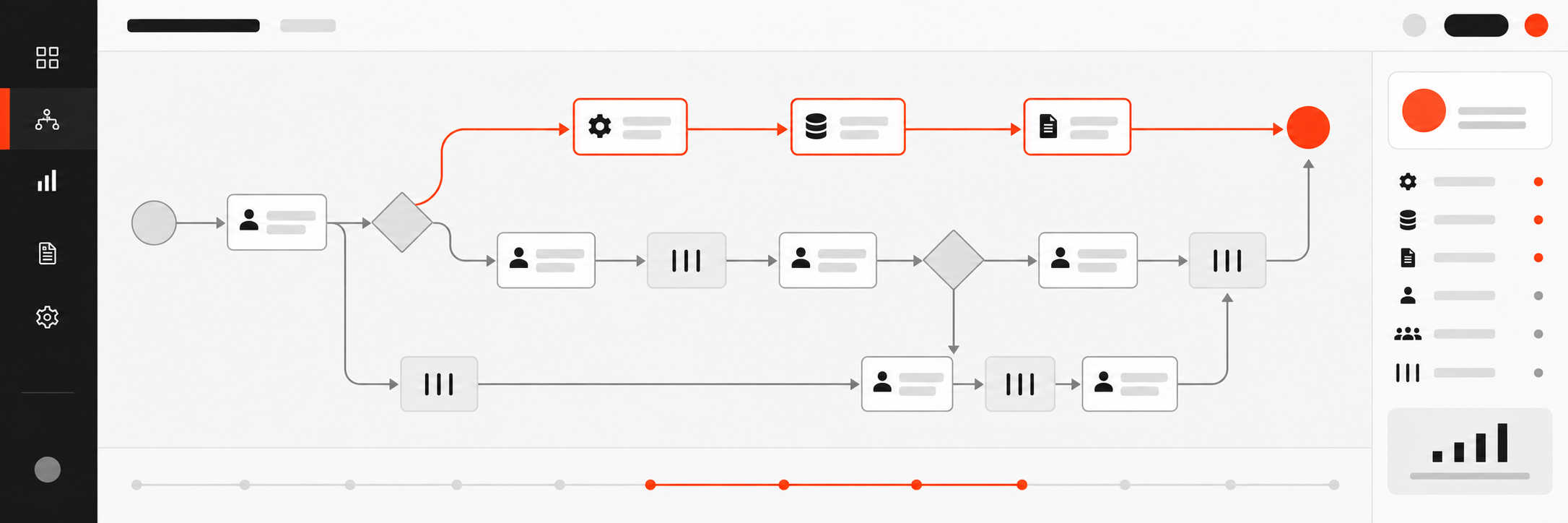
03 · Average order value
Average order value: offer structure, product relationships, bundles, delivery threshold and relevant additions.
Symptoms
- Customers buy one product
- Related products are not visible
- The delivery threshold does not work
- Discounts increase volume but reduce margin
- Bundles do not explain the benefit
PathCRO for eCommerce · UX-audit · A/B testing
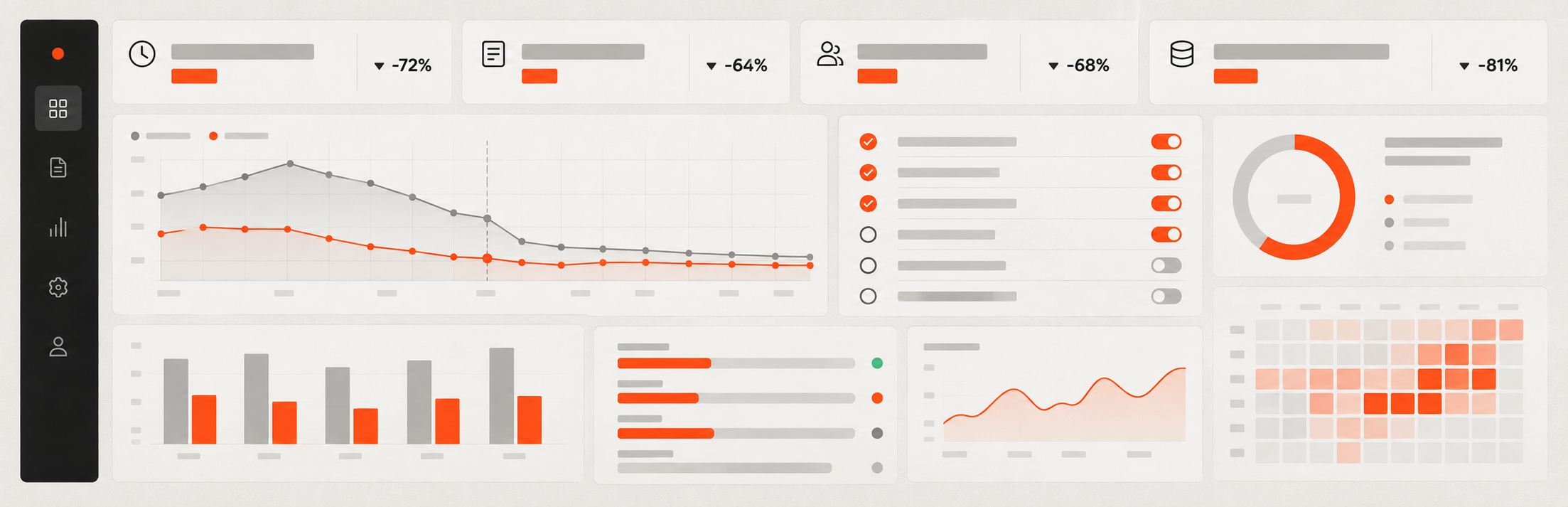
04 · Purchase frequency
How often the client returns according to the natural cycle of the product category.
Symptoms
- Most customers buy once
- There is no after-sales communication
- A repeat purchase does not match the usage cycle
- Customers return only for discounts
- The post-payment experience does not build trust
PathPost-purchase CRO · Audit store
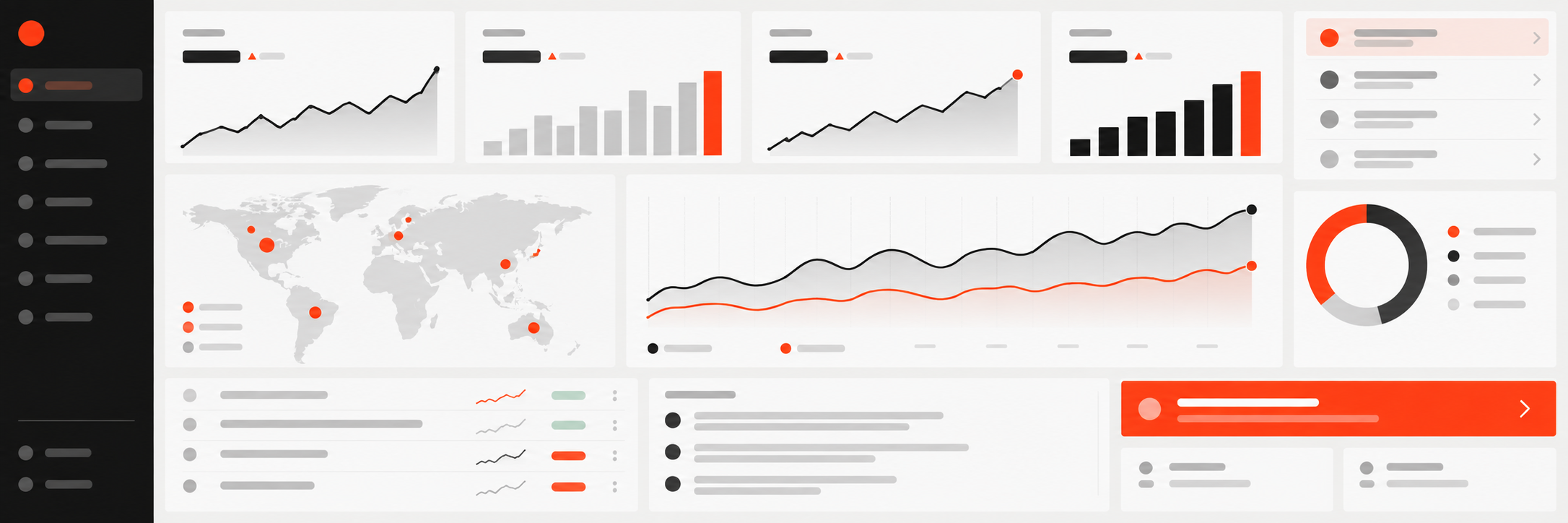
A repeat purchase is not relevant to every category: for products with a rare usage cycle, service, accessories, consumables or recommendations may create value. Category management and procurement remain the client team’s responsibility.
Economics
more orders may leave the business with less money
A discount may be justified if it changes behaviour while preserving economic sense. Free delivery may increase average order value while also increasing cost. A more expensive channel may bring customers with stronger repeat demand. Therefore we assess not an isolated metric, but the effect of decisions on economics.
- 01Revenue
- 02Margin
- 03Acquisition cost
- 04Discounts
- 05Logistics and returns
- 06Contribution to profit
We do not optimise turnover at the cost of profit.
Priority
We start not with the most popular tool, with the most valuable next decision
Potential impact × evidence × cost of change × speed to result × risk.
Possible actions: fix a critical flow, set up analytics, change a landing page, strengthen acquisition, review the offer, set up retention — or do not invest in digital until the product or operational problem is solved.
The largest point of loss is not always the best first project. What matters is where the balance of impact, cost and risk is best.
- What we compare
- 01Potential impact
- 02Number of users or orders
- 03Evidence
- 04Implementation cost
- 05Speed of obtaining data
- 06Dependence on other changes
- 07Risk
- 08Impact on margin
Diagnostics
We first determine, which lever actually requires investment
Paths
Where the audit result leads
-
01 · Direction
Problem with acquisition
SEO optimisation · Google Ads · Social media advertising · Advertising campaign audit
-
02 · Direction
Problem with selection and checkout
CRO for eCommerce · UX-audit · Redesign store
-
03 · Direction
Problem with average order value
CRO for eCommerce · UX and merchandising-scenarios · analytics behaviour
-
04 · Direction
Problem with customer return
Retention marketing · CRM communication · Post-purchase CRO
-
05 · Direction
Problem with the technology stack
development store · Migration · Speed and Core Web Vitals · Integrations
-
06 · Direction
Problem outside digital
we hand over the conclusion without selling unnecessary online services
An audit does not have to become a large project. It must end with the right next decision.
Sequence
Complexity is needed to understand the systems, not by launching all work at once
We look at the whole store so we do not fix one metric at the expense of another. But we plan implementation in a sequence the budget, team and data can support.
One team keeps the full context. Only work with a shared dependency or sufficient priority runs in parallel.
An honest boundary
Not every sales decline starts on the website
- 01Product is not responsible demand
- 02Price loses to an available alternative
- 03The needed product is unavailable
- 04Delivery times reduce appeal
- 05Returns and service destroy trust
- 06Margin not handles cost acquisition
- 07The team cannot handle additional demand
Sheker.Agency does not conduct a full procurement, warehouse or finance audit within a digital audit. But if available data points to external constraints, we note them and do not suggest masking the problem with advertising or a redesign.
Questions
Common questions about sales growth
With diagnostics of available data and identifying the changes with the best balance of potential impact, cost and risk. This is not necessarily conversion: the answer depends on the specific store.
Not always. If conversion is acceptable but relevant traffic is low, acquisition may be the right first step. If the website loses most ready-to-buy visitors, scaling traffic increases the absolute loss.
Yes, if there is a specific challenge, margin is considered and the required behaviour is changed. A permanent discount without a measurable role may teach customers to delay purchases and reduce profit.
Through relevant bundles, related products, delivery thresholds, quantity offers and clear additional value. The specific decision depends on the range, margin and purchase context.
Their natural potential depends on the category. For products with a long cycle, service, consumables, accessories, recommendations or other forms of long-term value may work.
It depends on the point of impact and testing method. A technical fix, advertising test, CRO change, SEO and retention have different timelines. Timing is set after diagnostics.
No. Sales are affected by demand, competition, product, price, operations and the external market. We are responsible for the quality of diagnostics, transparent evidence, priorities and correct implementation of agreed work.
Start
We will define at the start, where the store loses its next hryvnia of growth
A 30-minute online meeting with the founder. We will discuss traffic, conversion, average order value, repeat purchases and business constraints. After the meeting, we will suggest a diagnostic format, not a ready-made tool before seeing the data.