
01 · Diagnostic CRO sprintfrom 3–4 weeks
from $3 500
What included
- Target decision path
- Data analysis
- Gap map
- Priorities
- Final review
RefinementA self-contained sprint whose result can be handed to your team.
Discuss sprintWe find where the path from first launch to valuable actions, monetisation and return conflicts with how users make decisions. We fix the reasons for loss, not interface cosmetics.
02 · First valueIf a product asks for actions at this stage, the rest of the path relies only on the user’s patience.
One scenario
Every screen may look logical on its own. Together, however, they can make users invest time, data and trust before the product proves its value. The problem is not necessarily the number of steps but the mismatch between what users have given and the value they have received.
Every next decision the user makes based on the new value they have seen.
Model decisions
This is not a universal standard or a copy of another product. The model is built for a specific business, user, context and available evidence. If evidence is missing, we mark assumptions as hypotheses.
Types of gaps (5)
The user passes registration, permissions or setup before reaching the first useful result.
Pays before receiving
A paywall, subscription, personal data request or permission appears before sufficient value has been explained.
A query without grounds
The interface shows a feature but does not explain why the user should continue.
There is no reason to continue
Each feature works separately, but the user cannot complete the task without a workaround.
The task is not completed
The first action is complete, but the product creates neither a valuable next event nor a clear return trigger.
The cohort does not return
These are typical gaps, not a diagnosis of a specific app. Diagnostics show which one affects your product.
Prioritisation
Impact on target action × number of users × evidence × cost of change × risk to other journeys.
Evidence levels: confirmed by data · confirmed by the journey and interface · requires testing.
If the total loss cannot be calculated honestly, we do not invent it; we show a range, impact or missing data.
Result
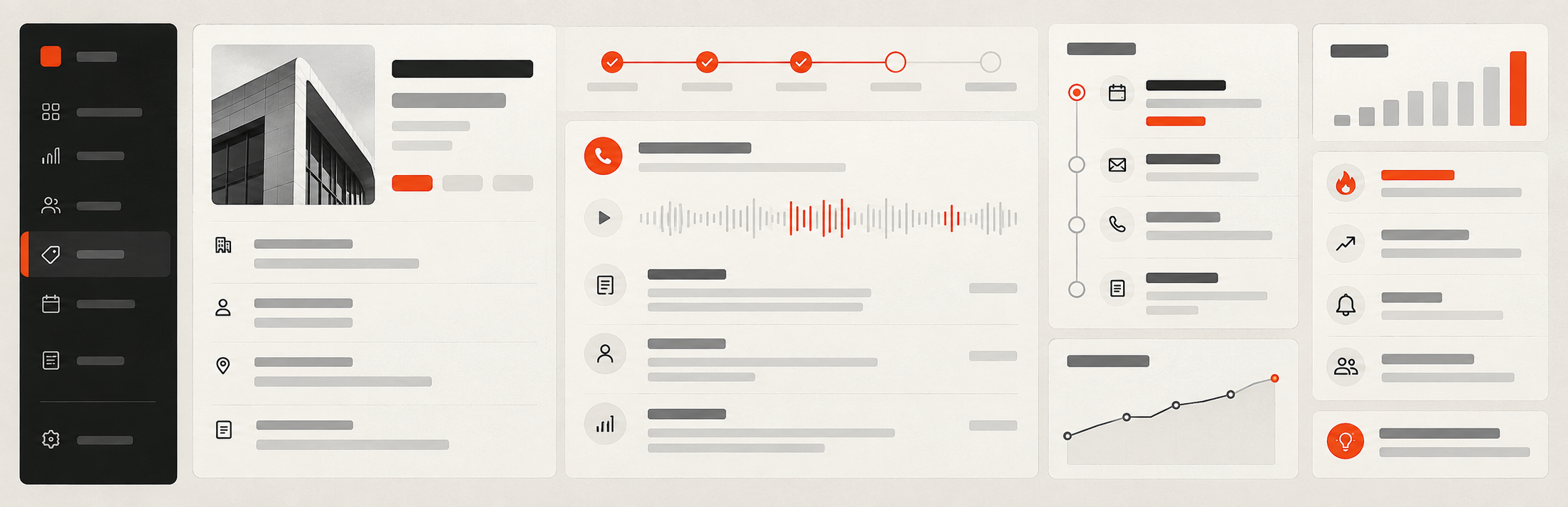
The logic from first launch to target actions and returns.
Points where the current interface conflicts with the user’s decision.
Data, behavioural rationale, metrics and constraints for each conclusion.
What to fix, in what order, which dependencies to account for and how to verify the result.
Journeys, requirements and mockups for the internal or Sheker.Agency team.
Principles for integrating new decisions into the product without breaking the key journey.
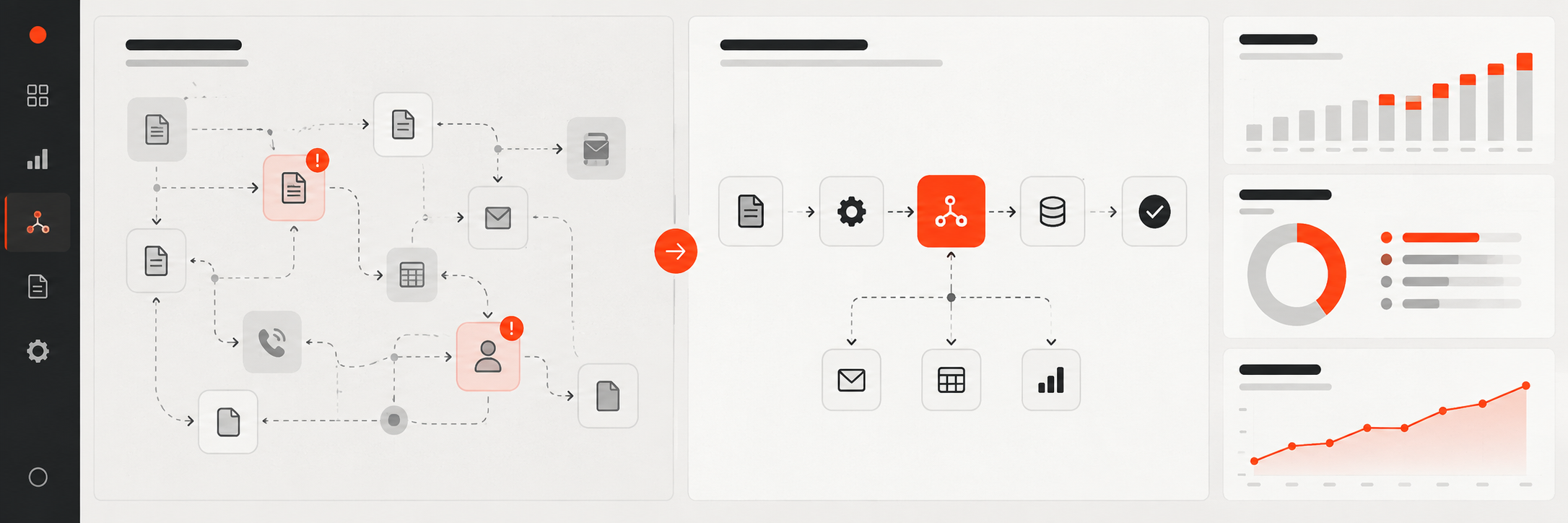
The diagnostic result is self-contained and can be handed to the internal team or another contractor
Format work
Cost depends on the number of key journeys, user roles, business model, iOS and Android availability, analytics quality, research needs, monetisation complexity, who implements changes and the number of markets and localisations.
01 · Diagnostic CRO sprintfrom 3–4 weeks
from $3 500
What included
RefinementA self-contained sprint whose result can be handed to your team.
Discuss sprint02 · Implementation and testing sprintper sprint
from $5 000
What included
RefinementDevelopment scope is assessed separately.
Discuss implementation03 · Ongoing CRO supporton month
from $5 000
What included
RefinementWe recommend it only when the task has sufficient scope, data and implementation resources.
Discuss supportHow the cycle works
A simple before/after comparison is not proof of causality; where we use it, we state the conclusion’s constraints clearly.
Boundary
The product does not address an important enough need
Product strategy
There is no clear business model
Product strategy and architecture
Data does not reveal key actions
Product analytics configuration
Critical technical mistakes undermine usage
Technical stabilisation
Acquired users do not match the target audience
Acquisition review
The team lacks the resources to implement changes
First the plan and priorities, then the cycle
The final conclusion is a diagnosis, not a first free meeting.
Connections
(01) Growth apps
(02) UI/UX and development
(03) Strategy and architecture
growth share users, which reach to valuable actions or payment, reduces the actual acquisition cost of that user and may increase acceptable price installation.
Questions
A diagnostic sprint finds gaps and creates a plan. CRO may continue with implementation, result verification and subsequent cycles. You can order the diagnosis separately and hand it to your team.
The approach to user decisions is shared. The mobile service additionally accounts for first launch, permissions, store releases, subscriptions, deep links, mobile analytics and return in the app.
For diagnostics, the app, product analytics, documentation and available research are usually enough. Implementation changes are made by the internal team or a separately engaged Sheker.Agency team.
Yes, when the result will affect decisions, the cost of a mistake justifies an experiment and data is sufficient. Otherwise we use research, controlled rollout, prototype testing or another appropriate method.
A small sample limits quantitative conclusions and A/B tests. You can work with journeys, qualitative research, usability testing and technical analytics, but should not present these conclusions as proven financial impact.
Not necessarily. We change only what is needed to fix the priority journey. If the problem is systemic, we separately recommend a product redesign or architecture work.
The founder is responsible for the target model, key product decisions and reviews. Analysts, UX specialists, designers and developers work in one context.
Start
A 30-minute online meeting with the founder. We will discuss the business model, key journey, available data and point of loss. Afterwards we will suggest a format: diagnostic sprint, ongoing CRO support or other work if the problem lies outside CRO.